Capital City Construction & Management Projects
Narragansett Bay Commission Combined Sewer Overflow Program
Narragansett Bay Commission Combined Sewer Overflow (CSO) Program
The Narragansett Bay Commission (NBC) Combined Sewer Overflow (CSO) Program is a long-term effort to protect Narragansett Bay and surrounding waterways by capturing, storing, and treating stormwater and sewage that would otherwise overflow into local rivers and the Bay during heavy rainfall.
The program is being implemented in three phases, with each phase expanding the system’s ability to capture and treat wet-weather flows and reduce pollution from combined sewer overflows.
Phase I - Providence Tunnel
Completed: 2008
Phase I was the first major stage of NBC’s long-term CSO abatement program and established the foundation for the region’s deep-tunnel system.
The Providence Tunnel
The centerpiece of Phase I is the Providence Tunnel, a 3.1-mile-long, 26-foot-diameter deep-rock tunnel located approximately 300 feet below Providence. The tunnel can store approximately 65 million gallons of combined stormwater and sewage during major rain events.
How It Works
During heavy rainfall, stormwater can overwhelm the region’s combined sewer system, causing untreated sewage and stormwater to discharge into nearby waterways. The Providence Tunnel captures flows from 12 major CSO outfalls in the Field’s Point service area and temporarily stores the water underground.
Once capacity is available at the Field’s Point Wastewater Treatment Facility, the stored water is pumped back to the facility for full secondary treatment.
Phase I Benefits
The Providence Tunnel significantly reduced the amount of untreated pollution entering the Providence and Seekonk Rivers and Narragansett Bay.
Key benefits include:
- Approximately 39%–50% reduction in CSO volume
- Approximately 40% reduction in fecal coliform loading
- Approximately 30% reduction in total suspended solids (TSS)
- Approximately 31% reduction in biochemical oxygen demand (BOD)
- More days when shellfishing areas could remain open—up to 65 additional days per year in some areas
- Fewer beach closures
- Significant reductions in bacteria, solids, and other pollutants entering Narragansett Bay
Phase I marked the beginning of NBC’s three-phase CSO program and demonstrated the effectiveness of deep-tunnel storage in protecting Rhode Island’s waterways.
Phase II - System Expansion & Treatment Upgrades
Completed: 2014–2015
Phase II expanded the CSO system established during Phase I by connecting additional overflow points, upgrading key interceptors, and increasing the system’s ability to treat wet-weather flows.
Unlike Phase I, Phase II did not construct another major deep tunnel. Instead, it expanded the existing system and increased its treatment capacity.
What Phase II Added
Major components included:
- Connections from additional CSO outfalls to the existing Providence Tunnel system
- Improvements to key sewer interceptors
- Expanded wet-weather treatment capabilities
- Upgrades to the Bucklin Point Wet Weather Treatment Facility, with capacity of approximately 116 million gallons per day
How It Works
By connecting more CSO sources to the existing tunnel system and increasing wet-weather treatment capacity, Phase II allowed more storm-driven flows to be captured and treated rather than discharged untreated into the Providence and Seekonk Rivers.
Phase II Benefits
- Further reduced untreated CSO discharges
- Significantly reduced overflows from the North Diversion Structure
- Achieved approximately a 95% reduction in North Diversion Structure overflows following wet-weather facility improvements
- Increased the volume of stormwater and combined sewage that could be captured and treated
- Advanced NBC toward its long-term goal of substantially reducing CSO pollution
Phase II built upon the success of the Providence Tunnel by expanding the network of connected CSOs and increasing the system’s ability to manage heavy rainfall.
Phase III - Final Tunnel & Infrastructure Improvements
Timeline: 2021–2028
Phase III is the final phase of NBC’s CSO Program, completing the infrastructure needed to capture and treat nearly all remaining combined sewer overflows.
The phase represents a major expansion of the deep-tunnel system into communities east of Providence and is designed to bring the overall program toward its long-term goal of reducing CSO overflow volume by up to 98%.
The Phase III Tunnel
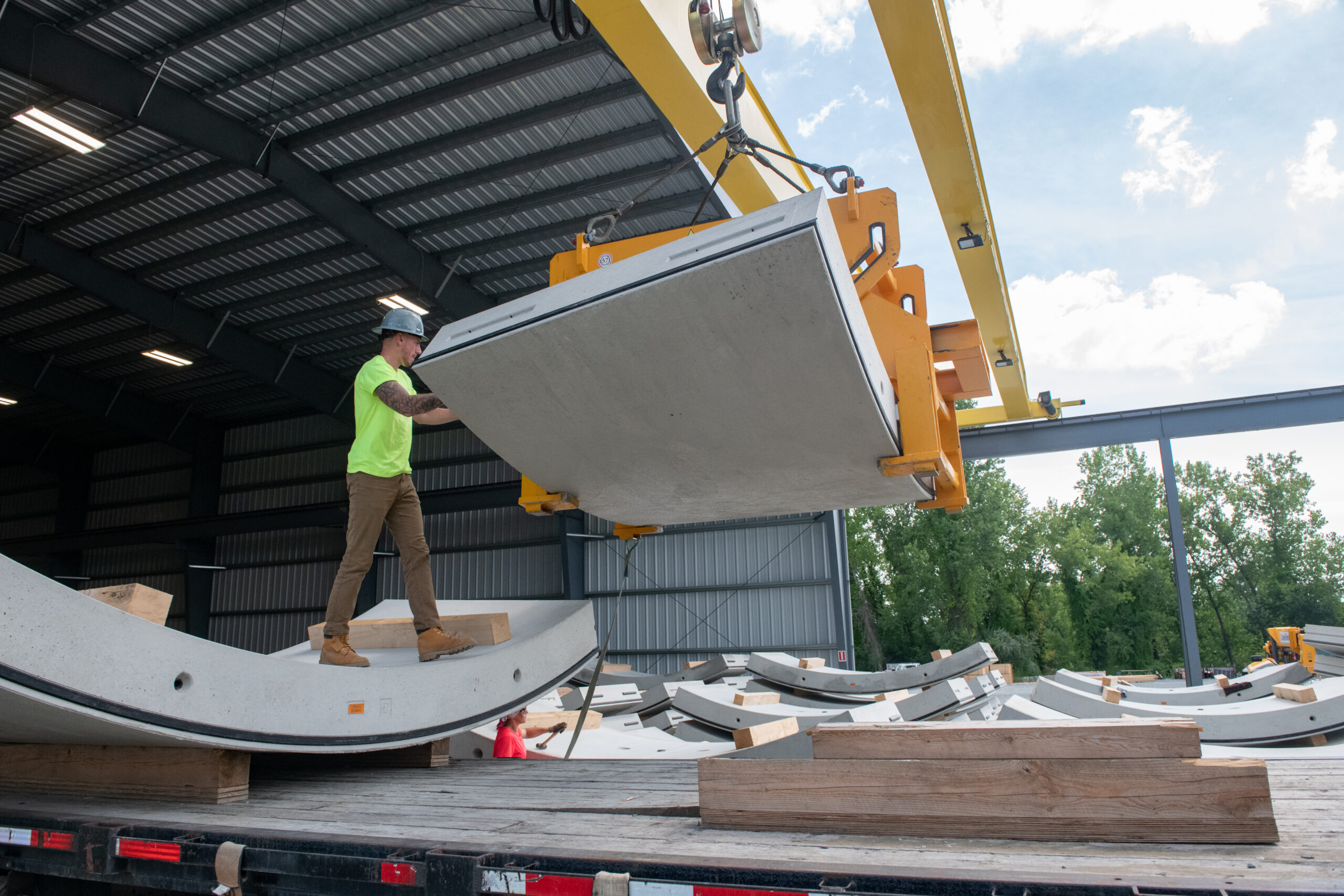
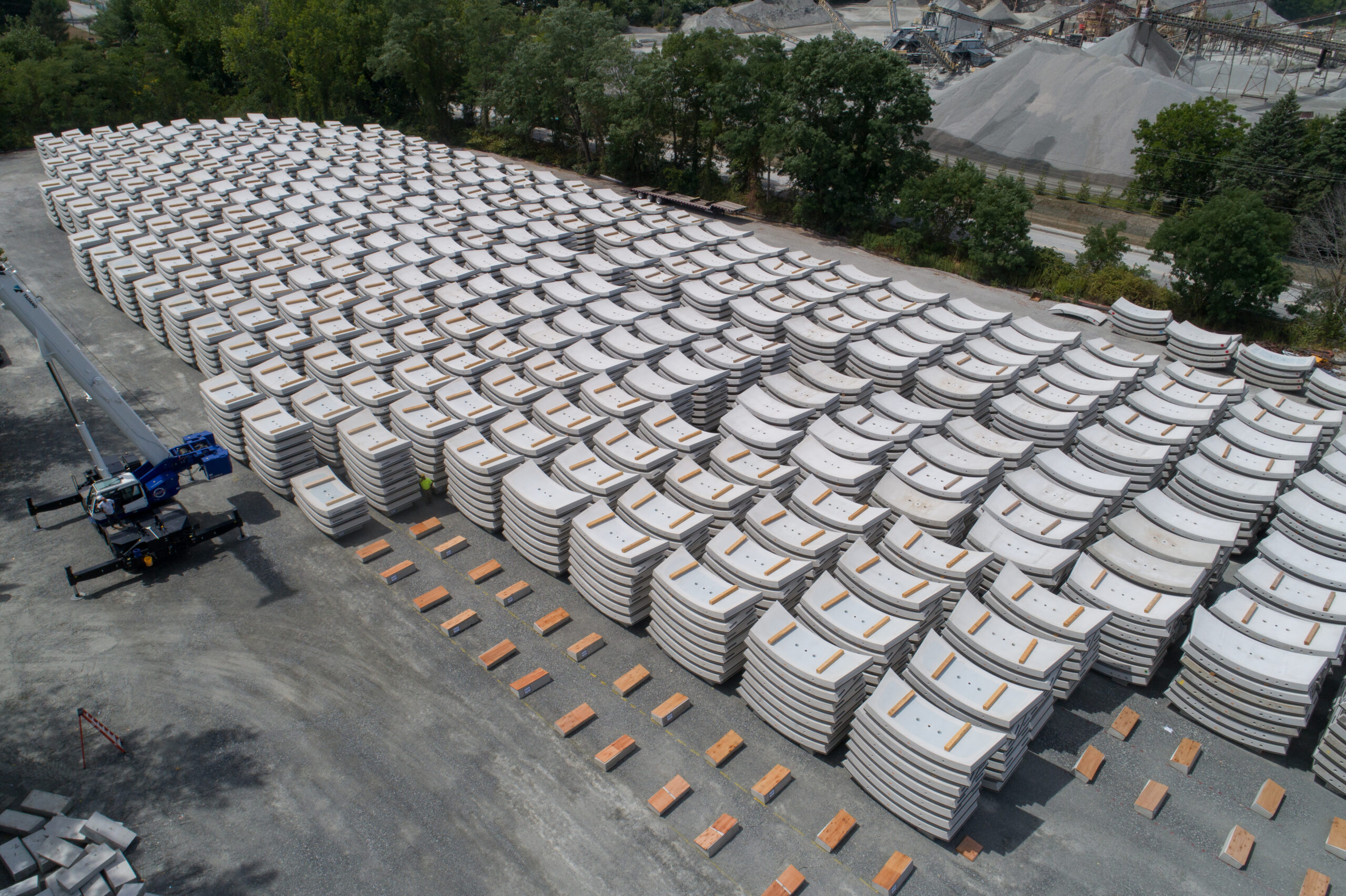
The centerpiece of Phase III is a new 2.2-mile-long, 30-foot-diameter deep-rock tunnel that will travel through Pawtucket, Central Falls, and East Providence at a depth of approximately 125 feet below ground.
The tunnel will have a storage capacity of more than 58 million gallons of stormwater.
Additional Infrastructure
Phase III also includes:
- Four drop shafts
- One launch shaft
- One receiving shaft
- Additional interceptors
- Connections to remaining CSO outfalls
- Improvements to treatment and conveyance infrastructure
How It Works
The Phase III system will capture storm-driven combined sewage and stormwater that would otherwise overflow into local waterways. The captured flows will be stored within the tunnel system and directed to treatment facilities when capacity becomes available.
Long-Term Benefits
When fully implemented, Phase III will:
- Complete the region’s long-term CSO abatement system
- Capture and manage nearly all remaining combined sewer overflows
- Reduce CSO overflow volume by up to 98%
- Further reduce bacteria, solids, and other pollutants entering Narragansett Bay
- Improve water quality in the Providence River, Seekonk River, and Narragansett Bay
- Support long-term recreational and shellfishing opportunities
- Help Rhode Island meet its Clean Water Act water-quality obligations
Phase III completes the three-phase CSO program, building on more than two decades of investment in tunnels, treatment facilities, interceptors, and other infrastructure designed to protect Narragansett Bay for generations to come.
A Three-Phased Approach to Cleaner Water
Together, the three phases of the Narragansett Bay Commission’s CSO Program create an integrated system for managing stormwater and combined sewage:
Phase I built the Providence Tunnel, establishing large-scale underground storage capacity.
Phase II expanded the system by connecting additional CSOs and increasing wet-weather treatment capacity.
Phase III is completing the system with a new deep-rock tunnel, additional infrastructure, and final connections designed to address the remaining overflows.
The result is a comprehensive CSO control system designed to dramatically reduce untreated discharges and protect the health and water quality of Narragansett Bay and Rhode Island’s rivers, beaches, and coastal communities.
Green Line Extension
Somerville & Medford
Green Line Extension
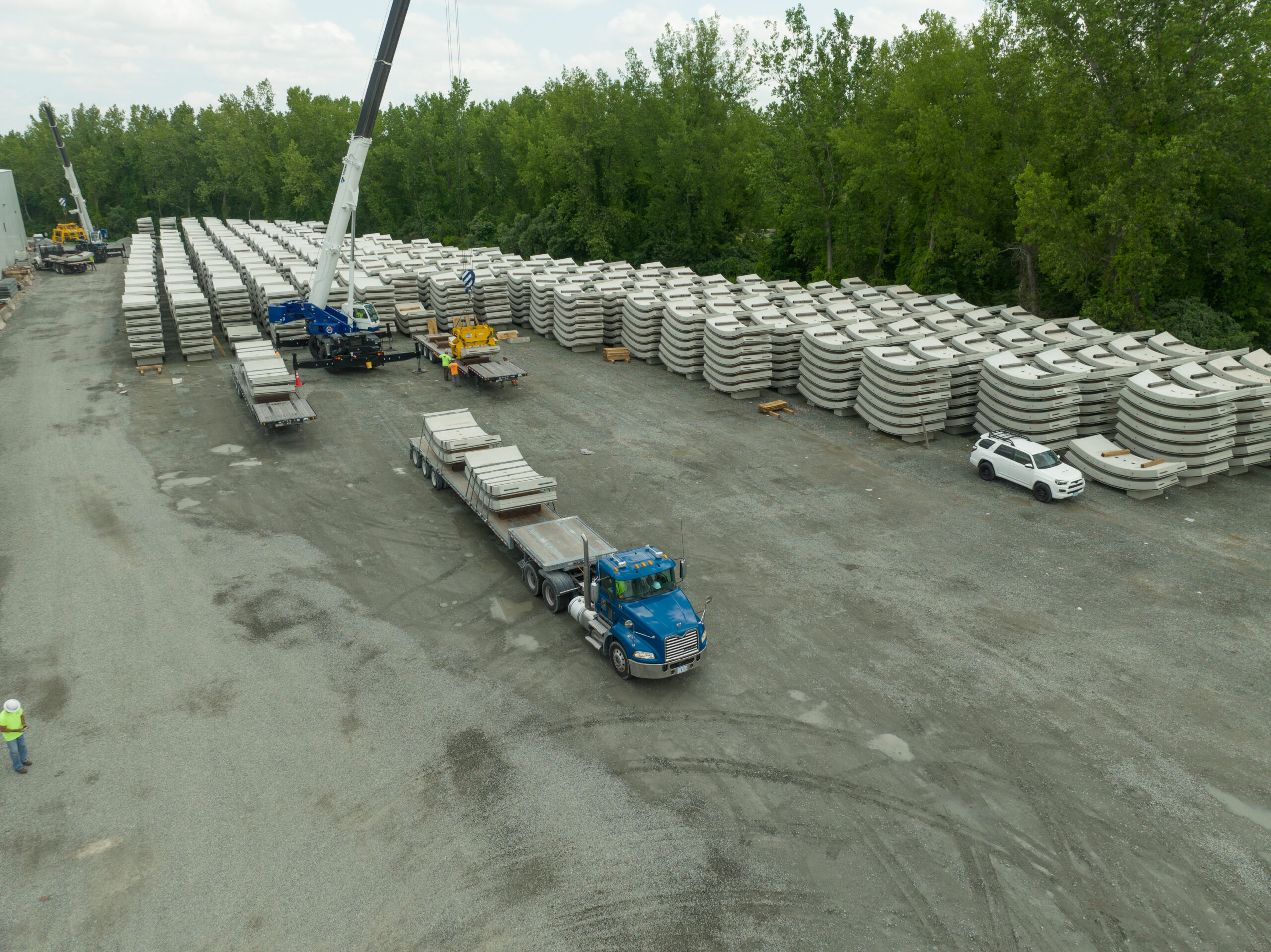
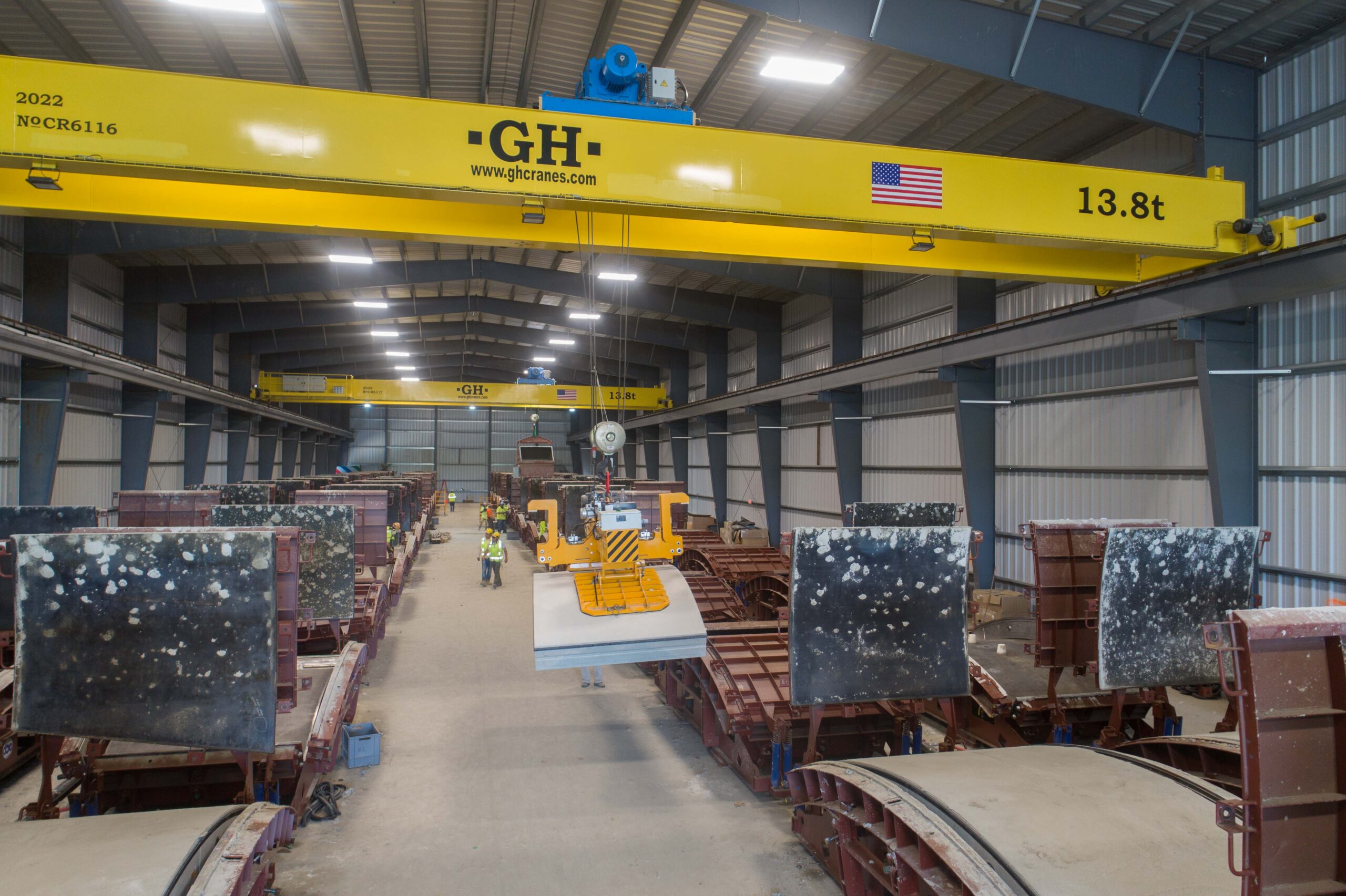
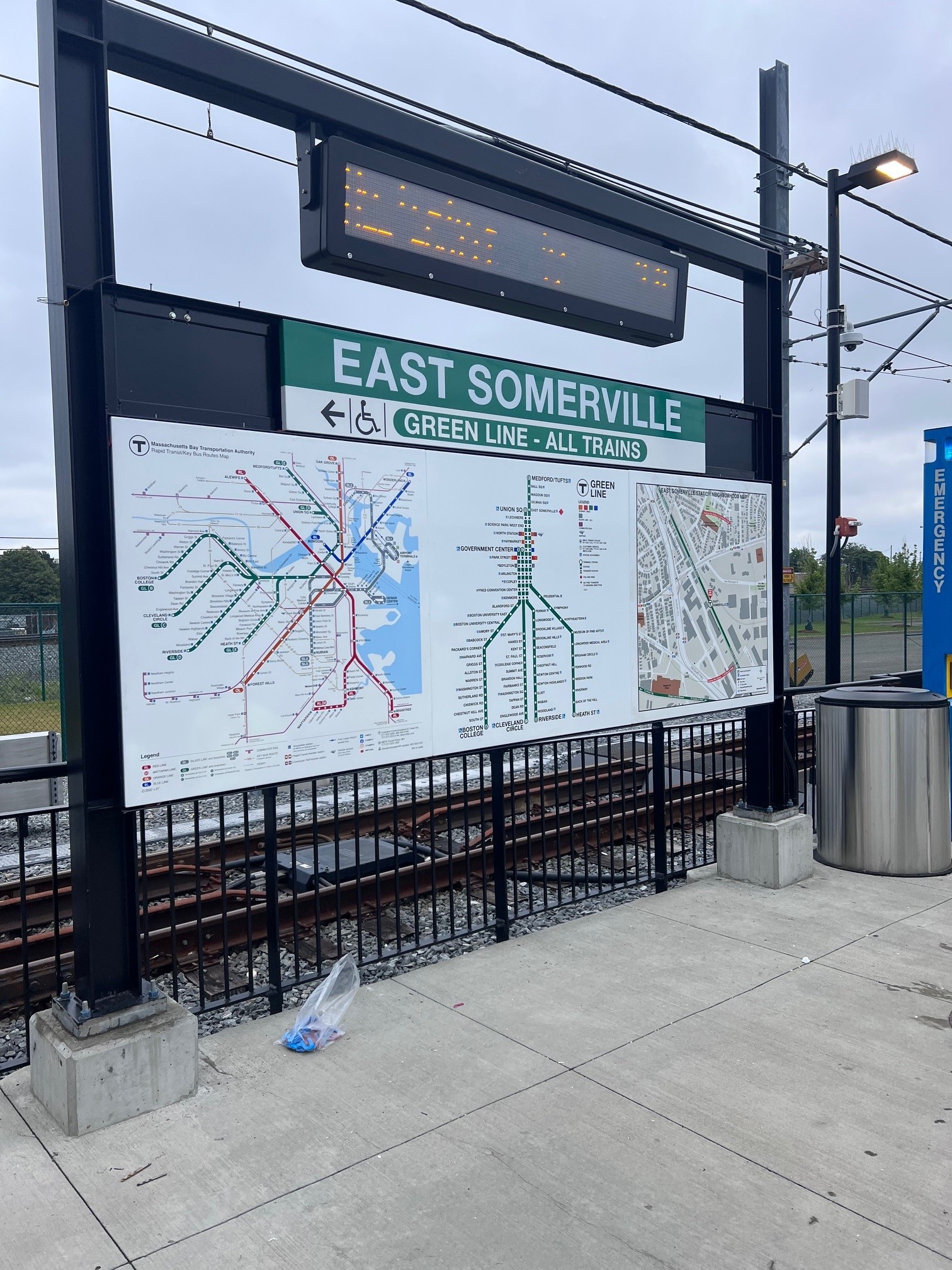
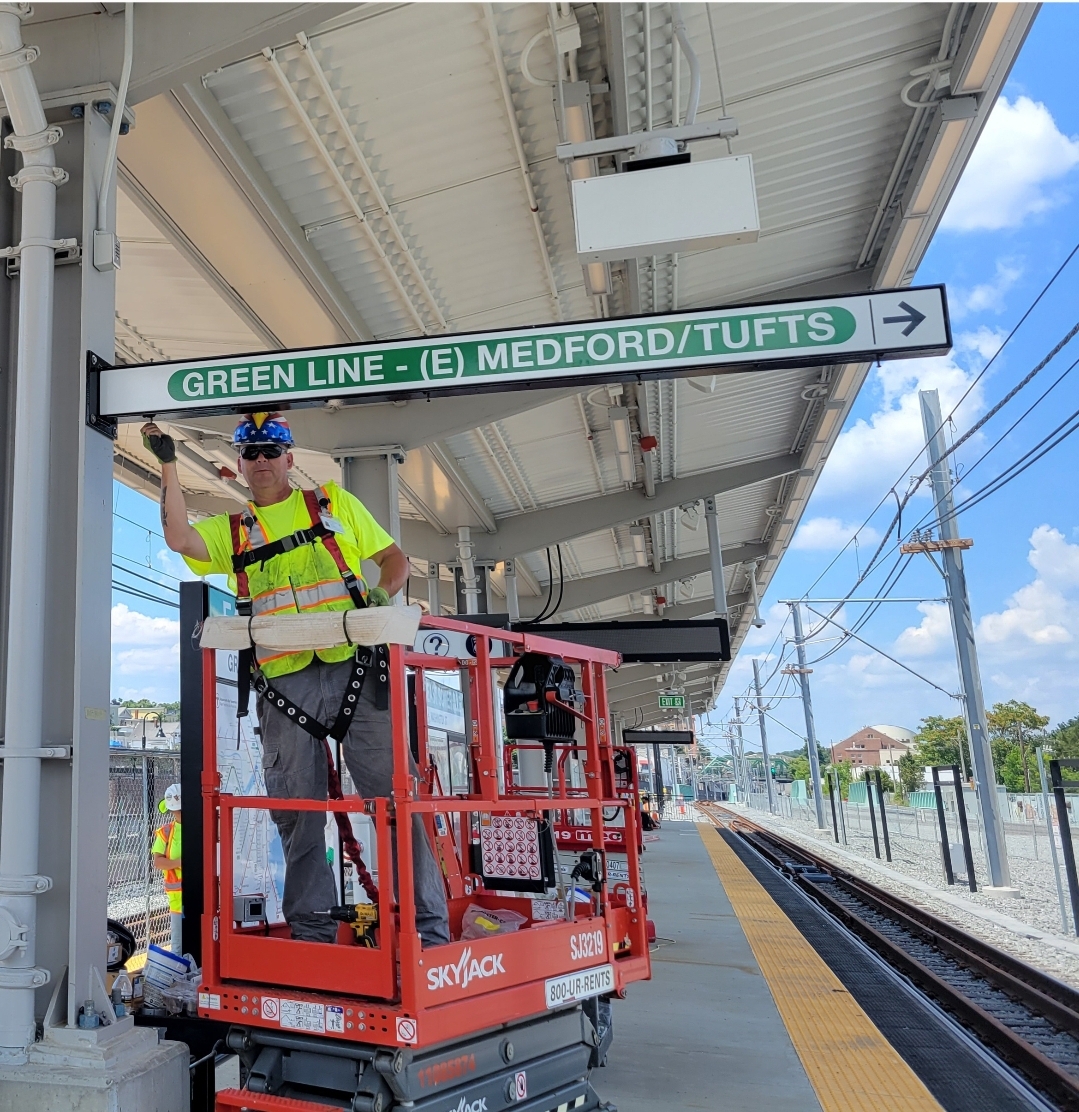
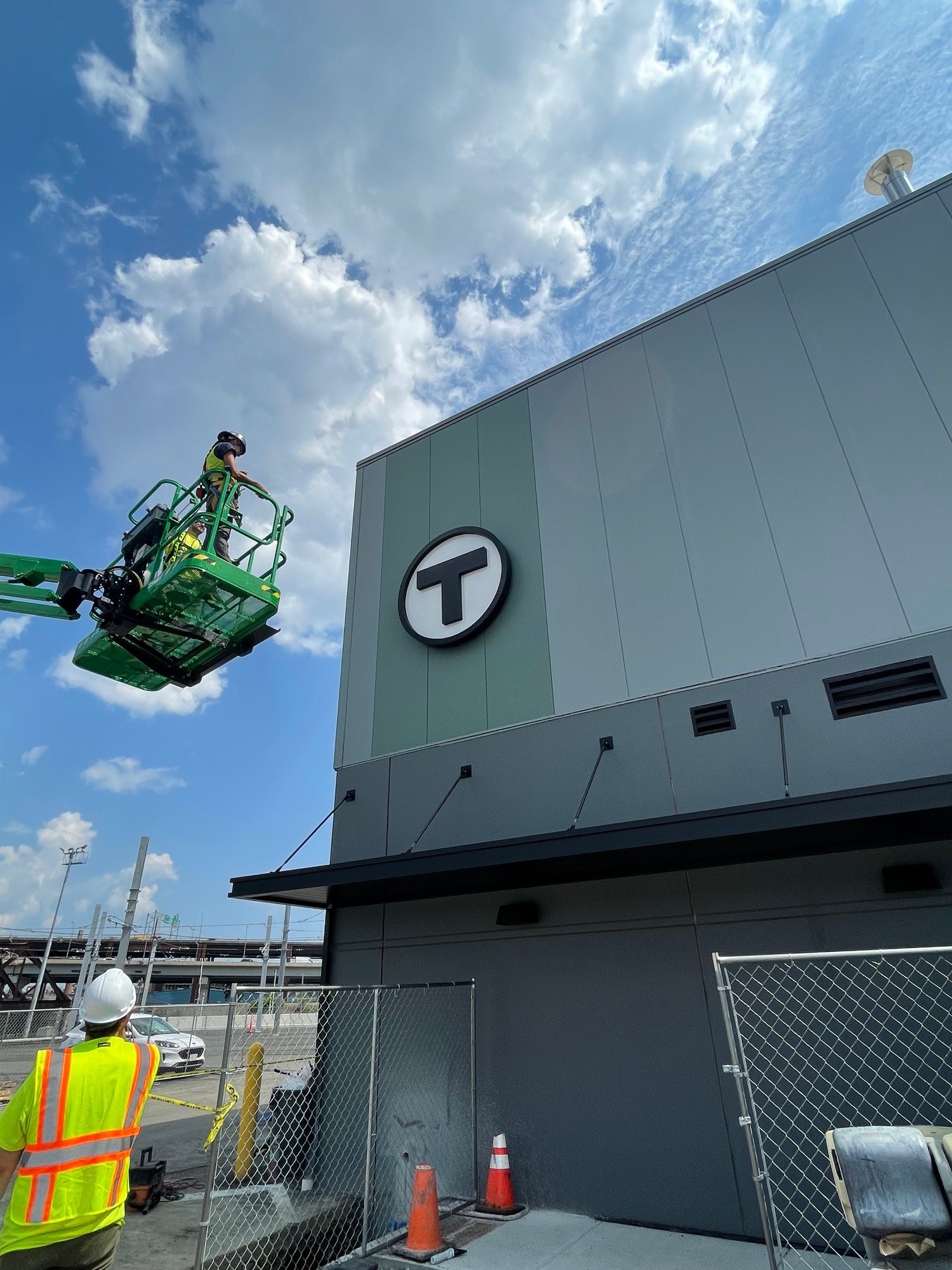
The Green Line Extension (GLX) expanded the MBTA’s light-rail network by adding 4.3 miles of new service from Lechmere to Union Square in Somerville and to Medford/Tufts, bringing fast, reliable public transportation to communities that have historically been underserved by the region’s transit system.
Project Highlights
- 4.3 miles of new light-rail service
- Two new branches serving Union Square and Medford/Tufts
- Seven new stations
- Relocated and upgraded Lechmere Station
- New vehicle maintenance facility
- Expanded connections to the existing MBTA Green Line network
Community Impact
Community Impact
Completed in 2022, the GLX has transformed regional mobility by providing residents, students, employees, and visitors with a convenient alternative to driving.
The project:
- Supports more than 50,000 daily trips
- Reduces roadway congestion
- Expands access to reliable public transportation
- Connects Somerville, Medford, Cambridge, and surrounding communities
- Provides greater access to employment, education, healthcare, and other regional destinations
- Advances more sustainable transportation options and helps reduce reliance on automobiles
Expanding Access to Sustainable Transportation
The Green Line Extension represents a significant investment in the region’s transportation infrastructure, connecting communities to the broader Boston-area transit network while creating safer, more accessible, and more sustainable mobility options for generations to come.

Major Erosion Control & Infrastructure Projects
Rhode Island’s transportation and infrastructure projects are transforming major roadways, bridges, and public facilities while incorporating erosion and sediment control measures to protect surrounding communities, waterways, and natural resources.
The following projects represent key ongoing and recently completed infrastructure efforts across the state.
Route 146 Reconstruction Project
Route 146 Modernization
Providence County | Skanska/Lynch | 2021–Present
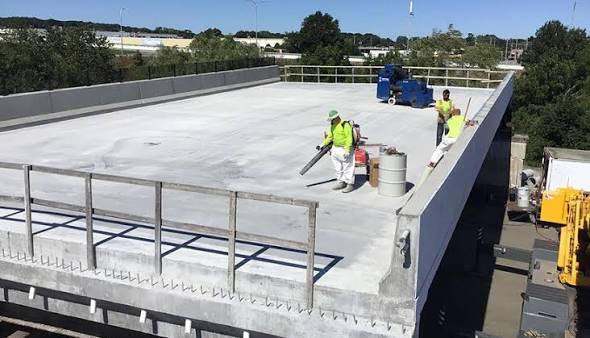
The Route 146 Reconstruction Project is a major transportation improvement initiative focused on modernizing one of Rhode Island’s most heavily traveled regional corridors.
Project Highlights
- Highway reconstruction and roadway improvements
- Bridge replacement and rehabilitation
- Construction of a new flyover bridge
- Interchange redesign and improvements
- Drainage and roadway infrastructure upgrades
- Erosion and sediment control measures throughout construction
Community Impact
The project is improving safety, mobility, drainage, and long-term resiliency along Route 146, a critical regional transportation corridor serving more than 170,000 vehicles each day.
Expanding Access to Sustainable Transportation
The Green Line Extension represents a significant investment in the region’s transportation infrastructure, connecting communities to the broader Boston-area transit network while creating safer, more accessible, and more sustainable mobility options for generations to come.
Additional Erosion Control Projects
Route 37 Improvements
Aetna Bridge | 2025–Present
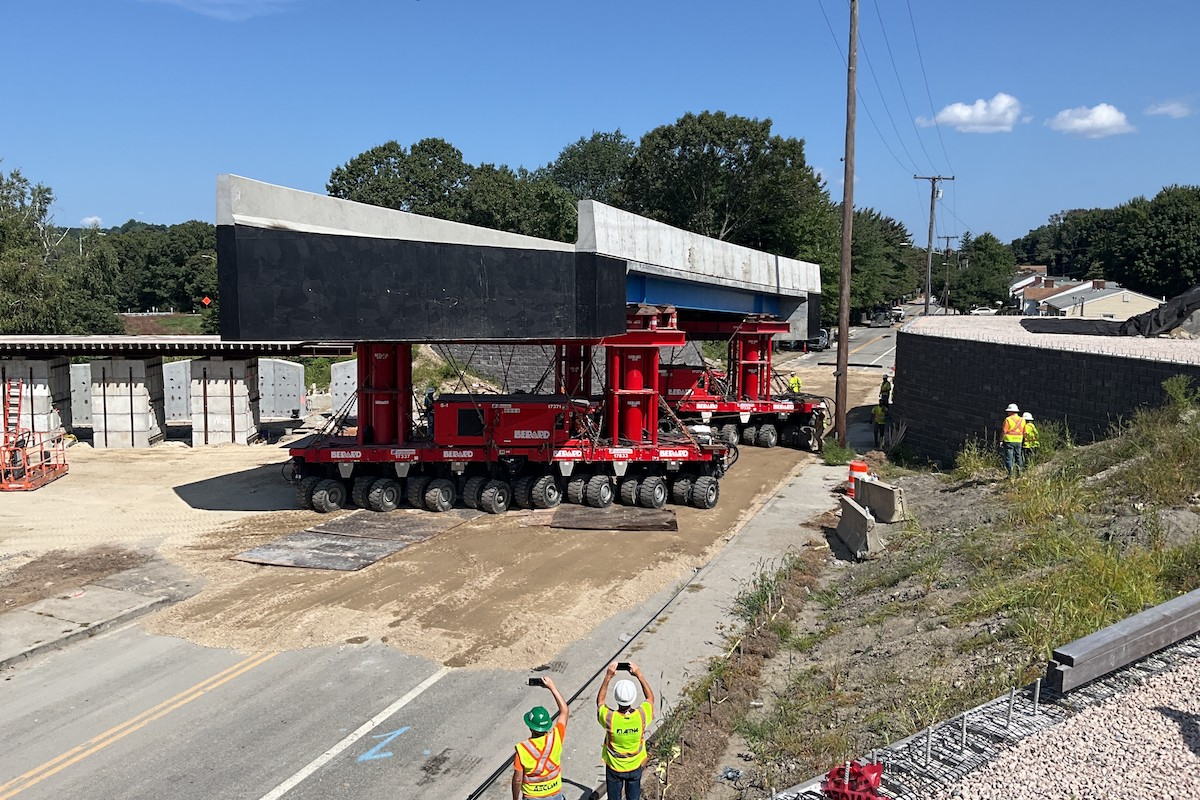
Infrastructure improvements along Route 37 include erosion and sediment control measures designed to protect adjacent drainage systems, waterways, and surrounding areas throughout construction.
I-295 – Cumberland & Smithfield
Aetna Bridge | 2025–Present
This major interstate project includes roadway and infrastructure improvements in Cumberland and Smithfield, with erosion control measures incorporated to minimize sediment runoff and protect nearby environmental resources.
Washington Bridge Reconstruction
Walsh | Present
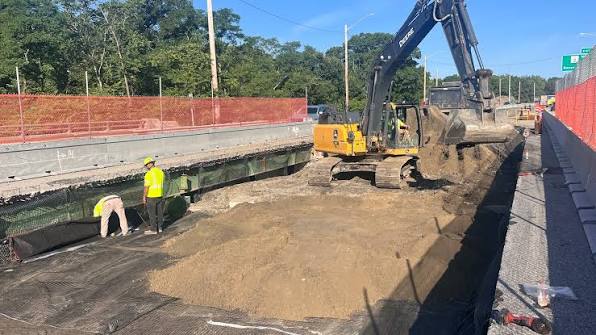
The ongoing Washington Bridge Reconstruction Project includes major transportation and structural improvements, with erosion and sediment control measures integrated into construction activities to protect nearby waterways and surrounding areas.
CSO Phase IIIA–IV
John Rocchio Corporation | Present
As part of the Narragansett Bay Commission’s ongoing Combined Sewer Overflow program, Phase IIIA–IV construction includes major underground and surface infrastructure improvements. Erosion and sediment controls help protect surrounding properties, drainage systems, and waterways during construction.
Revolution Wind Farm
Bond Civil & J.R. Vinagro | 2023–2024
Construction associated with the Revolution Wind Farm incorporated erosion and sediment control practices to minimize impacts to surrounding land and waterways during site and infrastructure work.
Washington Bridge Demolition
Aetna | 2024
The demolition of the Washington Bridge required extensive site management and environmental controls to safely remove the existing structure while minimizing impacts to surrounding waterways and infrastructure.
Protecting Rhode Island While Building for the Future
From major highway reconstruction to bridge projects and large-scale water and energy infrastructure, erosion and sediment control is an essential component of Rhode Island’s construction efforts.
These measures help prevent soil erosion, control sediment runoff, protect drainage systems, and safeguard nearby rivers, wetlands, and coastal resources—ensuring that critical infrastructure improvements can move forward while minimizing impacts on Rhode Island’s environment.
Contact Us
Capital City Construction & Management Services, Inc.
27 Libera Street
Suite 1
Cranston, RI 02920
lori@capitalcityri.com
Office 401-464-4585
Fax 401-632-4585
Cell 401-632-2500
RI & MA certified WBE/DBE